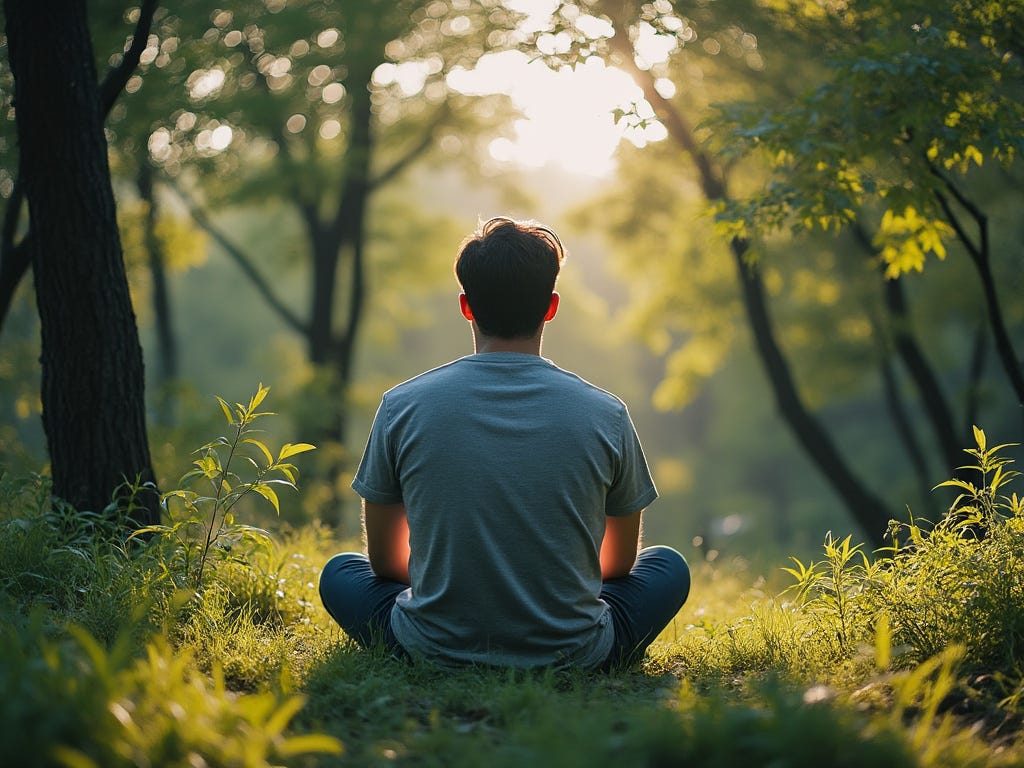
Today, our lives are increasingly lived online, the idea of disconnecting from social media might seem almost heretical. As a modern man, I found myself caught in the endless scroll, the constant need to check notifications, and the subtle yet pervasive pressure to present a curated version of my life to the digital world. It was exhausting, and I began to question: Was I living my life, or just broadcasting a highlight reel?
That’s when I decided to embark on what I call “The Solitude Experiment” — 30 days completely disconnected from social media. No Facebook, no Instagram, no Twitter. Just me, the real world, and the people in it. What followed was a journey of self-discovery that challenged my perceptions of connection, productivity, and what it truly means to be a man in the digital age.
The Digital Detox Process:
Day 1 was harder than I anticipated. My thumb instinctively reached for the Facebook icon on my phone more times than I care to admit. The FOMO (Fear of Missing Out) was real. What if something important happened? What if someone needed to reach me? These anxieties, I realised, were the first sign of how deeply social media had embedded itself into my psyche.
By the end of the first week, the initial withdrawal symptoms began to subside. The constant urge to check my phone gradually lessened, and I found myself with pockets of time I didn’t know I had. It was during one of these moments, while waiting for a coffee, that I struck up a conversation with a stranger instead of burying my face in my phone. It was refreshing, a real human connection that didn’t require a Wi-Fi signal.
As the days progressed, I noticed subtle but significant changes. My sleep improved — probably due to the absence of late-night scrolling. My ability to focus on tasks increased, uninterrupted by the constant pings and notifications. But perhaps most surprisingly, I felt a sense of calm that had been absent for longer than I could remember.
Rediscovering Face-to-Face Connections:
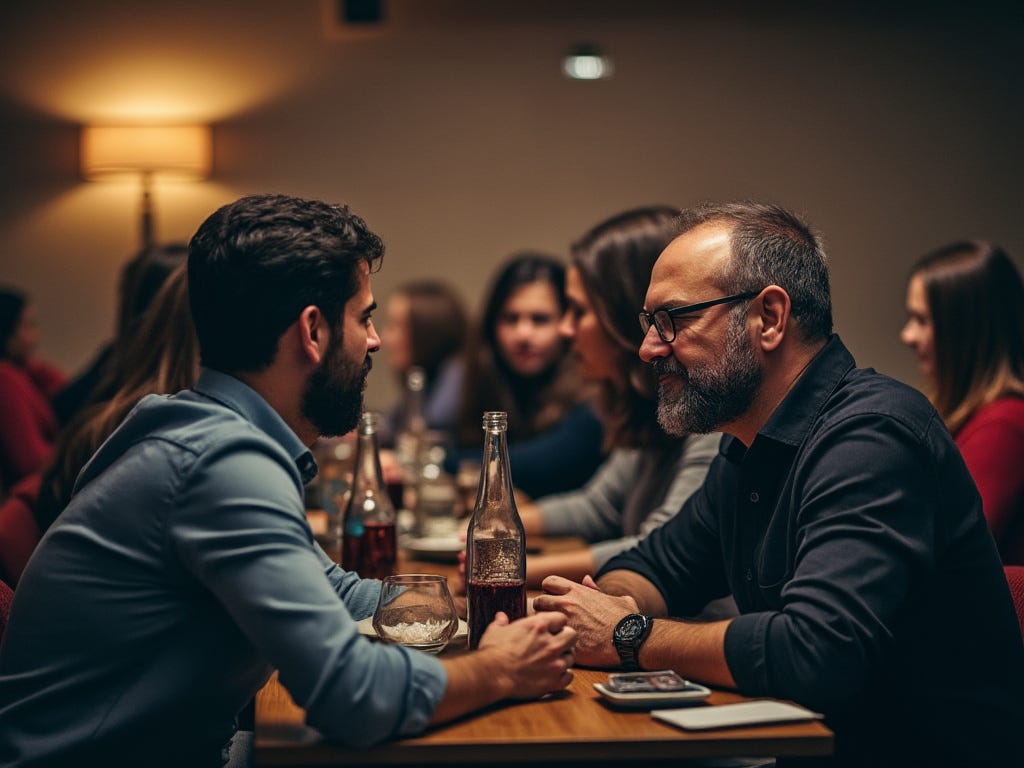
By the second week, I found myself craving real-world interactions. I called friends I hadn’t spoken to in months, suggesting meet-ups instead of relying on liking their posts as a form of communication. These face-to-face conversations were richer, more nuanced than any I’d had online. We laughed more, shared more, and connected on a level that felt more authentic than any social media exchange.
I also noticed a change in the quality of my existing relationships. Without the distraction of my phone at the dinner table, conversations with my family became more engaging. I was present, truly listening rather than half-heartedly nodding while scrolling through my feed.
One particularly memorable evening, a friend and I spent hours in deep conversation about our hopes, fears, and dreams — the kind of talk that rarely happens when there’s a screen between you. It struck me how much of this depth we miss out on when we rely on social media for our primary form of connection.
Impact on Productivity and Creativity:
As I entered the third week of my digital detox, I noticed a significant shift in my work habits and creative output. Without the constant distraction of social media notifications, I found myself able to dive deep into tasks, experiencing what psychologists call “flow state” more frequently.
My productivity soared. Projects that had been languishing for months suddenly gained momentum. I completed a draft of a short story I’d been putting off, and my work performance noticeably improved. My colleagues commented on my increased focus and the quality of my contributions during meetings.
But it wasn’t just about getting more done. I found that my creativity flourished in the quiet spaces that social media used to fill. Ideas came more freely, uninhibited by the constant comparison to others’ achievements that often plagued my social media use. I started journaling again, a practice I had abandoned years ago, and found it to be a powerful tool for self-reflection and idea generation.

Mental Health and Well-being:
Perhaps the most profound impact of this experiment was on my mental health. The constant anxiety of needing to check my phone, to stay updated, to respond immediately — it all melted away. I felt more present, more grounded in my day-to-day life.
My self-esteem improved as well. Without the constant barrage of carefully curated images of others’ lives, I found myself comparing less and appreciating more. I realized how much of my self-worth had been tied to likes, comments, and follower counts. Freed from these metrics, I started to reconnect with my intrinsic sense of value.
Stress levels decreased significantly. The pressure to always be “on,” to have a clever comment for every post, to present a perfect image of my life — it disappeared. I slept better, laughed more easily, and found joy in simple moments that I might have previously seen only as photo opportunities for social media.

Redefining Masculinity:
As I navigated this month of digital solitude, I found myself reflecting deeply on what it means to be a man in today’s world. Social media often presents a narrow view of masculinity — one that emphasises outward appearances, material success, and a certain kind of aggressive confidence. Stepping away from this constant feed of images and status updates allowed me to reconnect with a more authentic sense of manhood.
I realised how much of my own behaviour had been influenced by these online portrayals. The need to always appear strong, to have it all together, to never show vulnerability — these were pressures I had internalised from years of social media use. Without these influences, I found myself more comfortable expressing a full range of emotions, asking for help when I needed it, and valuing qualities like empathy and emotional intelligence that are often underrepresented in online depictions of masculinity.
In real-world interactions, I observed a much more diverse expression of manhood. From the stay-at-home dad I met on the school run to the elderly gentleman who shared stories of his youth in the park, I was reminded that there’s no one way to be a man. This diversity, so often flattened in the world of social media, was refreshing and liberating.
I also found myself reconnecting with traditional masculine virtues that hold real value — integrity, responsibility, courage — not as performances for an online audience, but as genuine expressions of character in my day-to-day life. These qualities, I realised, are best developed and expressed in real-world challenges and relationships, not through carefully crafted online personas.

From FOMO to JOMO:
One of the most surprising transformations during this experiment was my shift from experiencing FOMO (Fear of Missing Out) to embracing JOMO (Joy of Missing Out). In the early days of the experiment, I was anxious about what I might be missing on social media. But as time went on, this anxiety was replaced by a sense of liberation.
I realised that much of what I thought I was “missing out” on was actually just noise — endless streams of information that, while momentarily engaging, added little value to my life. Instead, I found joy in missing out on the constant digital chatter. I relished the quiet moments, the uninterrupted conversations, the ability to fully engage with the world around me without the nagging urge to document or share it online.
This shift from FOMO to JOMO was perhaps one of the most valuable takeaways from the experiment. It taught me to appreciate the present moment and to find contentment in my own experiences, regardless of what others might be doing or sharing online.

Relationships Transformed:
The impact of this digital detox on my relationships was profound. Without the crutch of social media, I found myself investing more time and energy into nurturing real-world connections.
Family dynamics shifted noticeably. Dinner conversations became richer and more engaging when not interrupted by phone checks. I found myself more attuned to the subtle nuances of my loved ones’ moods and needs, picking up on non-verbal cues that I might have missed while distracted by a screen.
Friendships took on new depth. Instead of relying on likes and comments to stay connected, I made the effort to call friends, meet up for coffee, or write thoughtful emails. These interactions, while perhaps less frequent than social media exchanges, felt more meaningful and fulfilling.
In terms of romantic relationships, I noticed a shift in my approach and expectations. Without the pressure to present a curated version of myself online, I felt more comfortable being authentic and vulnerable. I realised how much social media had influenced my perceptions of what a relationship should look like, and found freedom in defining my own standards and experiences.

The Art of Self-reflection:
Perhaps one of the most valuable aspects of this experiment was the ample time it provided for self-reflection. Without the constant distraction of social media, I found myself turning inward more often, examining my thoughts, feelings, and motivations with greater clarity.
I revived the practice of journaling, using it as a tool to process my experiences and insights. This regular self-reflection led to some profound realisations about my values, goals, and the kind of man I want to be. I reassessed some long-held beliefs and priorities, asking myself if they truly aligned with my authentic self or if they were influences I had absorbed from the digital world.
This period of introspection was not always comfortable. It forced me to confront aspects of myself that I had been avoiding or that had been obscured by the noise of social media. But it was through this sometimes challenging process that I gained the most valuable insights about myself and my place in the world.

Mindfulness and Living in the Moment:
As the experiment progressed, I found myself naturally adopting a more mindful approach to daily life. Without the constant urge to document every moment for social media, I was able to fully immerse myself in experiences.
I started practicing formal mindfulness meditation, dedicating 10 minutes each morning to simply sitting and observing my thoughts. This practice helped me carry a sense of presence throughout the day. I noticed details I had previously overlooked — the changing colours of leaves on my morning walk, the subtle expressions on a friend’s face during conversation, the complex flavours in a home-cooked meal.
This newfound mindfulness extended to my interactions with others. I became a better listener, fully engaging in conversations without the distraction of incoming notifications or the urge to check my phone. This deepened my connections and led to more meaningful exchanges.

Returning to the Digital World:
As the 30-day experiment drew to a close, I faced the challenge of reintegrating social media into my life without losing the benefits I had gained. I approached this task mindfully, setting clear intentions for my social media use moving forward.
I decided to limit my social media time to 30 minutes per day, using app timers to help me stick to this limit. I unfollowed accounts that didn’t add value to my life and curated my feed to include more content that inspired and educated me.
Most importantly, I committed to maintaining the real-world connections and practices I had developed during the experiment. Social media would be a tool for enhancement, not a replacement for genuine interaction and self-reflection.

The Modern Man Unplugged
This 30-day solitude experiment taught me valuable lessons about modern masculinity, connection, and the role of digital media in our lives. I learned that true strength lies not in presenting a perfect image online, but in being authentically yourself, vulnerabilities and all. I discovered that genuine connections, while sometimes more challenging to initiate than a simple ‘like’ or comment, are infinitely more rewarding.
As modern men, we face unique challenges in navigating the digital landscape while maintaining our authenticity and well-being. This experiment showed me that it’s possible — and indeed, vital — to step back from the constant connectivity and rediscover what truly matters.
I encourage you, fellow modern men, to consider your own relationship with social media. Could you benefit from a digital detox? Even if a full 30-day experiment seems daunting, consider starting with a day or a weekend. You might be surprised by what you discover about yourself when you unplug.

Remember, being a man in the modern world isn’t about conforming to online stereotypes or achieving digital popularity. It’s about living with integrity, nurturing real connections, and continuously growing as an individual. Sometimes, the best way to move forward is to take a step back from the digital noise and reconnect with your authentic self.
Reflection: How does your social media use impact your sense of self and your relationships? What’s one step you could take to create more balance in your digital life? Share your thoughts and experiences in the comments below.
Mercy, Love, and Grace.
Faithfully yours,
Jack.
 The Modern Man
Leave a comment