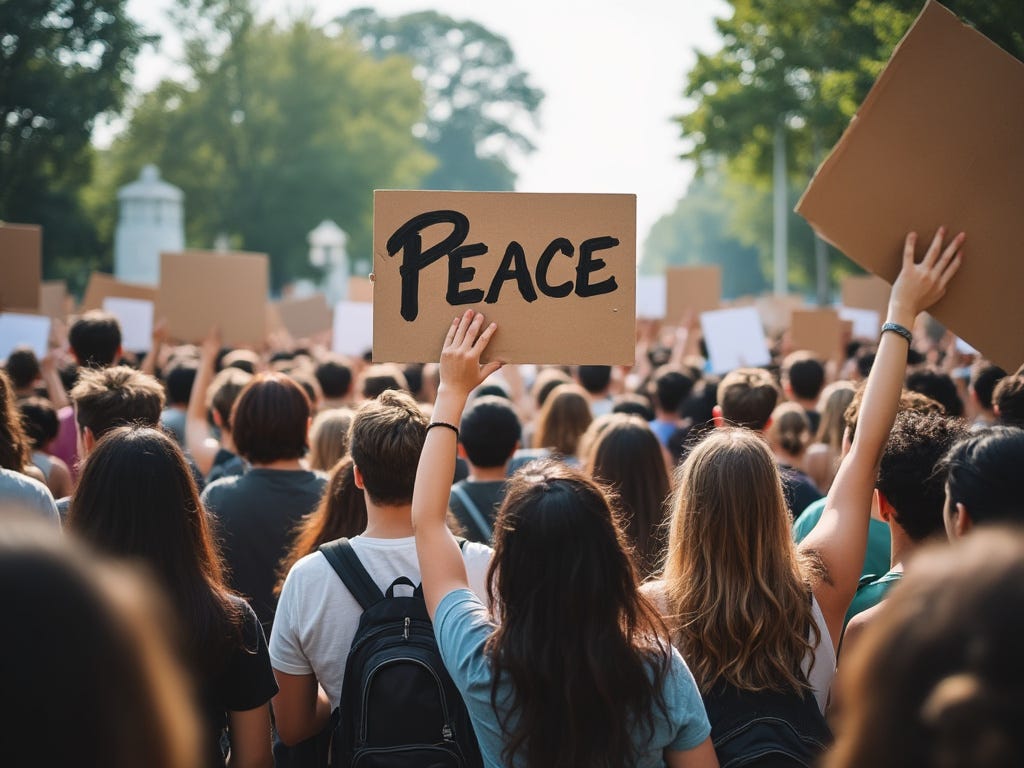
From the stop Oil protesters to the “Free, Free, Palestine” lot, and everything in between, the simple act of protesting an issue one may be passionate about is often having the opposite desired effect. Blocking traffic, destroying history, and screaming in the faces of ordinary people trying to go about their days and lives.
This article isn’t to talk about whether the causes are just or not — I have my opinions, and you have yours. The issue is the methods, the sheer ineffectiveness of the tactics used.
Protest for Change, Not Chaos
Protests have been a powerful tool for social change throughout history. They have toppled governments, advanced civil rights, and brought attention to important issues that were otherwise ignored. However, in recent years, there seems to be a shift. Instead of engaging people in dialogue and winning their support, many modern protests are alienating the very audience they need to reach.
Take the scenes we see regularly on our streets: protesters blocking roads, preventing everyday citizens from getting to work, school, or even a hospital. Imagine being a parent rushing their child to emergency care, only to be stopped by a human blockade. If it was me, I wouldn’t be very happy, and I certainly wouldn’t be sympathetic to your cause. While the protestors may believe their cause is worth the inconvenience, they often fail to recognise that these acts can breed resentment rather than sympathy. Disrupting lives doesn’t necessarily lead to hearts and minds being changed — it often leads to frustration and division.
Why These Methods Fail
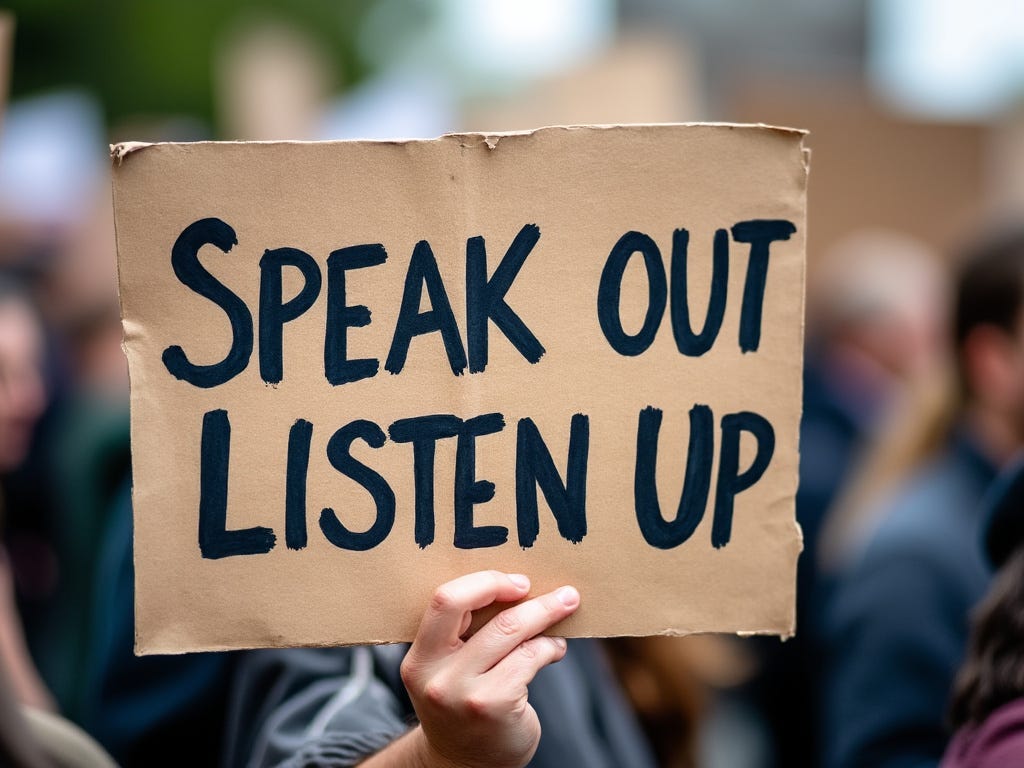
The problem with these confrontational tactics is that they tend to shut down conversation rather than open it up. Instead of making people curious or interested in learning more about the cause, it makes them defensive. When people feel attacked — whether literally by having their cars stopped or figuratively by being labeled as enemies — they’re less likely to engage and more likely to entrench themselves in opposition.
For instance, when historical monuments are defaced or public property is damaged, the message gets lost in the chaos. What people see is not a cry for justice but a display of anger. And while anger is a natural and often justified emotion in the face of injustice, without a clear and constructive outlet, it can become destructive. This isn’t to say that anger has no place in protest — it does. But how it’s channeled matters.
A Call for Constructive Protest
There are more effective ways to protest and drive real change. Look at some of the most successful movements in history — the Civil Rights Movement, for example. These activists faced violence and hatred, yet their commitment to nonviolent protest and civil disobedience turned the tide of public opinion. They garnered sympathy and support because they showed dignity in the face of oppression. They didn’t need to block traffic or deface monuments; they simply needed to be heard.
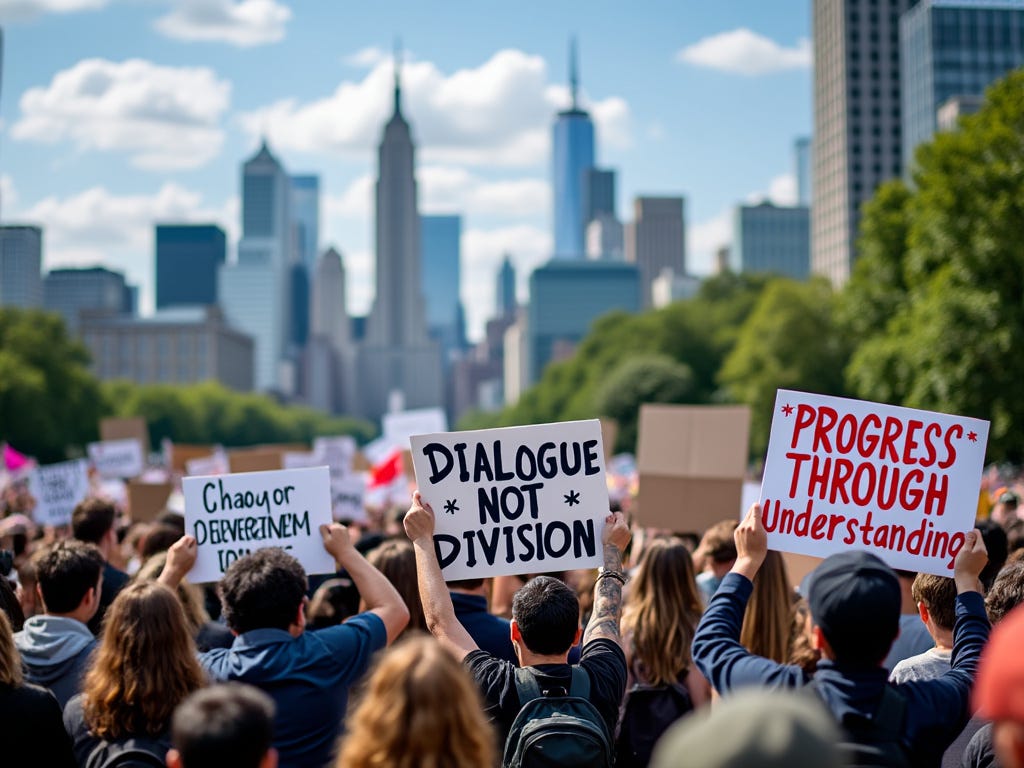
If modern protest movements want to succeed, they need to take a page from this book. The goal should be to engage people, not alienate them. This means using tactics that open dialogue rather than shutting it down. Peaceful protests, community discussions, informative campaigns, and even online activism can all be powerful tools for change if used correctly.
Engaging with Empathy
One of the keys to effective protest is empathy. It’s about understanding that while you are passionate about your cause, others might not see things the same way. Change doesn’t happen by force; it happens by convincing people that your vision is one worth striving for. This requires patience, persistence, and a willingness to see things from another’s perspective.
Consider organising events that educate rather than intimidate. Host workshops, create informative pamphlets, or start social media campaigns that focus on facts and solutions rather than just pointing out problems. Use storytelling to connect emotionally with people who might not have personal experiences with your cause.
The Future of Protest
We live in a time where speech can be met with censorship, and dissenting voices can be silenced. This makes it more important than ever for protests to be effective and to resonate with the wider public. In a world where everyone has a platform, the voices that will be heard are those that can cut through the noise, not with volume but with clarity and purpose.
Protest is a powerful tool, but like any tool, its effectiveness depends on how it’s used. The Modern Man advocates for methods that inspire change through understanding, not conflict. Peace, not violence, Let’s not lose sight of what we’re fighting for by losing the very people you need on your side. Let me be clear, I do not support violent acts, I do not support hatred to any groups or wish Ill will on anyone.
Reflection: Have you participated in a protest or been affected by one? What was your experience, and did it lead to greater understanding or more division? Share your thoughts in the comments below or on our social media platforms. Let’s start a dialogue, not a shouting match.
Mercy, Love, and Grace.
Faithfully yours,
Jack.
 The Modern Man
Leave a comment